
Life After Obsolescence
Why we continue to live with objects long after their expiration date.
Written by Will Speros; illustration by Liz Ryan
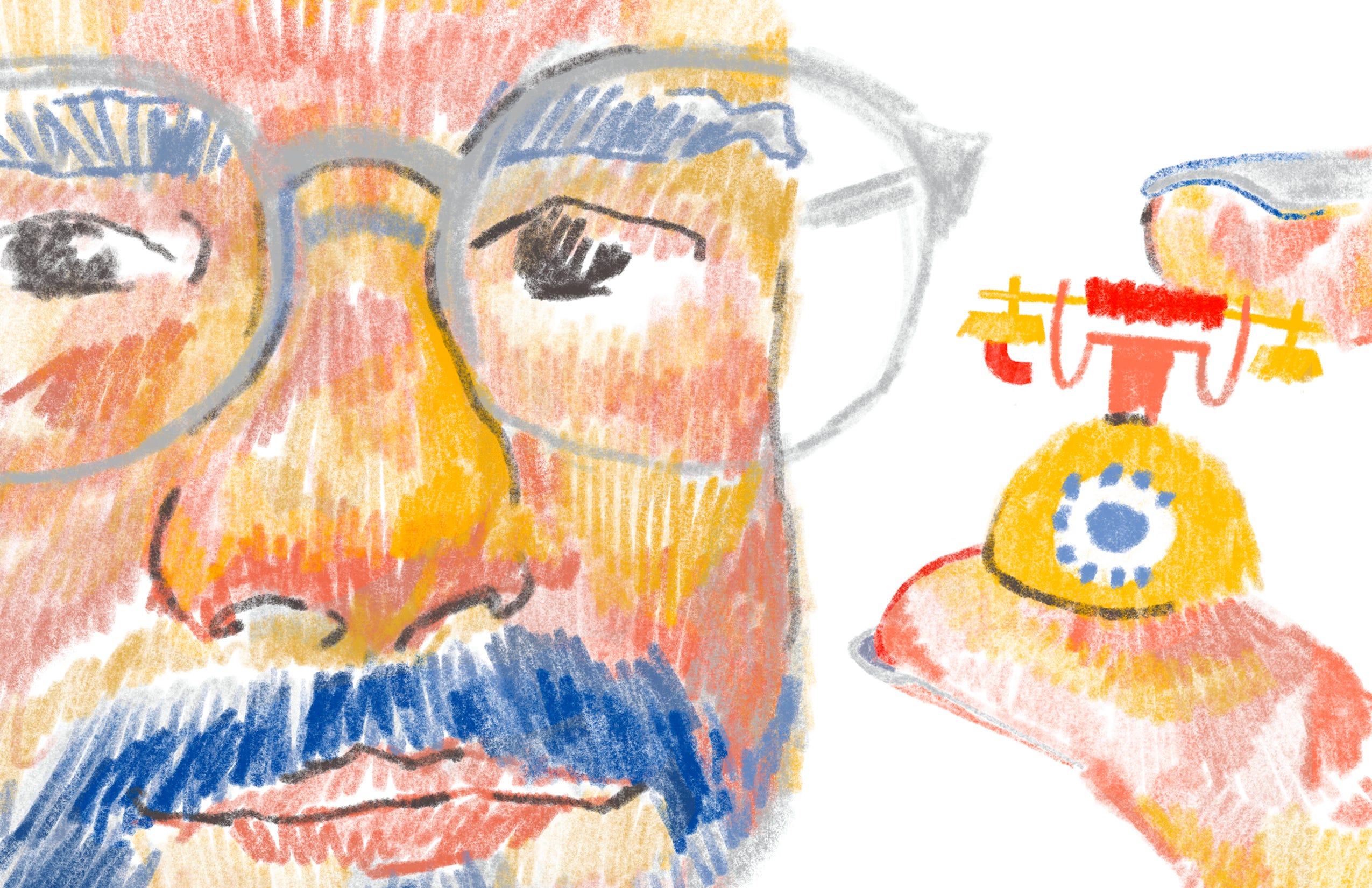
Located in Brooklyn’s Industry City, the workplace of master stager Jason Saft comprises more than 14,000 objets d’art ranging from vintage furniture and sculptural busts to art books and heritage ceramics. The first time I stepped inside it a year ago, the lofty space buzzed with familiarity, as if warmed by the heat of the history across its rows of towering shelves. It almost felt like I’d been there before.
Housing the catalog of his design studio, Staged to Sell Home, the space is a testament to Saft’s lifetime of collecting. Covet-worthy pieces sit alongside more niche artifacts—a landscape of organized clutter where every item exists in equal regard. They include heavy metal cash registers, American Bell telephones, about a dozen Brownie Box Kodak Cameras, and even molds sourced from an auto-part foundry. “I love to incorporate these relics into vignettes,” Saft says. “As a decorator, I do feel an obligation to carry these pieces into a new time period, especially if the other option is they end up in a landfill because they are considered obsolete and nonusable.”
Saft isn’t alone in his appreciation for these bygone objects. No one in New York has smoked indoors for decades, yet I’ve found myself unable to part with an original crystal ashtray from the Carlyle Hotel gifted to me by a former editor. Atop my dresser, it collects my chains and earrings beside ceramic glazing scraps that hold my laundromat quarters. I’ve seen floppy disks recycled as coasters in cafes and bars, and I’ve even spotted a butter churner nestled into the corner of one acquaintance’s home for a little Shaker-style pizazz. Though inert, the object remains in dialogue with the otherwise contemporary atmosphere—a wiser voice whose presence alone is humbling.
As much as some of these objects persist, the language to describe them is hard to pin down. “Obsolete” rings untrue in the face of revivals, like the return of vinyl records and Polaroid cameras. “Retro” implies trendier appreciation for design elements reappearing in intended applications. “Undead,” however, bears certain resonance for its literal irony and connotation with zombies. (In Dawn of the Dead, the undead go from consuming goods to consuming flesh, and fittingly, head to their local shopping mall to indulge.)
Zombifying relics into decor is the specialty of vintage dealer and mad scientist Ben Albucker, but he does a lot more than dust off vintage furnishings for trade. Albucker earns fanfare for refashioning curious handmade materials into more artful abstractions. “I sell great found objects—the result of some process or entropy—unintentionally designed to serve a purpose, but with an inherent beauty that was not necessarily the intent,” he says.
At his gallery in Lambertville, New Jersey, vintage wood seating hangs from the wall as a bookshelf. Discarded prescription sheets transform into cocoon-like ceiling sculptures. Derelict clothing and cushions become textile art. Plenty of Albucker’s finds defy straightforward, contemporary use, but find purpose in relation to something else. “If I’m gonna repurpose more than one piece, or reformat its intended use, the pieces have to fit together,” Albucker says. Proximity can be enough: “Sometimes two or three objects together create a kind of sculpture, sitting together or inside of each other.”
Among his many layered inventions, Albucker added a nickel-plated light fixture inside a six-foot-long glass countertop display case, transforming the piece into a lamp. At times, his response is more artistic: a horsehair paintbrush becomes the hand of a mannequin. Albucker is aware of the questionable value of this ephemera outside of his workshop. “If I put most of the stuff in my store on eBay, almost none would sell for more than $50,” he says. “I like finding beautiful garbage.”
Of course, garbage is in the eye of the beholder. Value—however you define it—can await inside perfect and flawed objects alike. New potentials surface when you lean into imperfection—a core teaching of wabi-sabi.
But perhaps the urge to honor a design, rather than dismiss it, reflects a deeper human impulse. Maybe these objects have more in common with our own plight than we’d like to admit. These are precarious times: amid increased automation and a decline in handcraft in all its forms, humans are staring down their own potential obsolescence.
In these moments, we can choose to see our own lack of purpose embodied, or we can see our promise. Affirming the longevity of a vintage object affirms our own capacity for endurance and reinvention. “The real joy is salvaging the past and giving these pieces new purpose—something more meaningful,” says Saft. “It’s giving an outdated relic a new lease on life.” ⌂


