


This story is from our 10th issue, themed “HOLDOUTS”—about the things we hold onto, and hold out for. Read the editor’s note here.
Also in this issue: “You Have to Give Up What You Have to Get What You Need,” by Jesse Dorris; “Working with Stone, Ethan Stebbins Finds the Seam,” by Ben Dreith; “How Much AI Can You Take?” by Elizabeth Fazzare; “A Dive Bar Holdout and the Illusion of Nostalgia,” by Matt Cosper.
Hi there, housemates,
For the final story in our 10th issue, Alex T. Williams brings us into the home, studio, and garden of Constantin and Laurene Boym, also known as Boym Partners. These sites are filled with tokens of friendship from fellow artists and designers, as well as their own personal archive of work made over four decades of practice together. The duo are currently creating a new collection of nature-based “readymades,” to be exhibited at Available Items later this month. During the interview, Constantin picks up a piece of bark: “People just step over these things,” he says. “Nature gives them to you for free.” Looking back at their older designs, like the Searstyle pieces developed in the ’90s (made from replacement parts for Sears furniture), there’s a clear thread of making the familiar unfamiliar through remixing and shifting context. What sticks around takes on new meaning as the world changes around it.
Speaking of sticking around—next week marks our one-year anniversary at Wrong House! I’ll be sending out a little note next week commemorating our first 12 months in publishing, and then we’ll start rolling our our next issue: “Home Economics.”
Happy Labor Day!
—Lila Allen
⌂ ⌂ ⌂
Like what you see here? Want to support independent design media? Your support goes directly toward producing more stories. Please consider becoming a paid subscriber, which will also give you access to the full Wrong House archive.
Written and photographed by Alex T. Williams
The first thing Constantin Boym wants to show me isn’t inside his house.
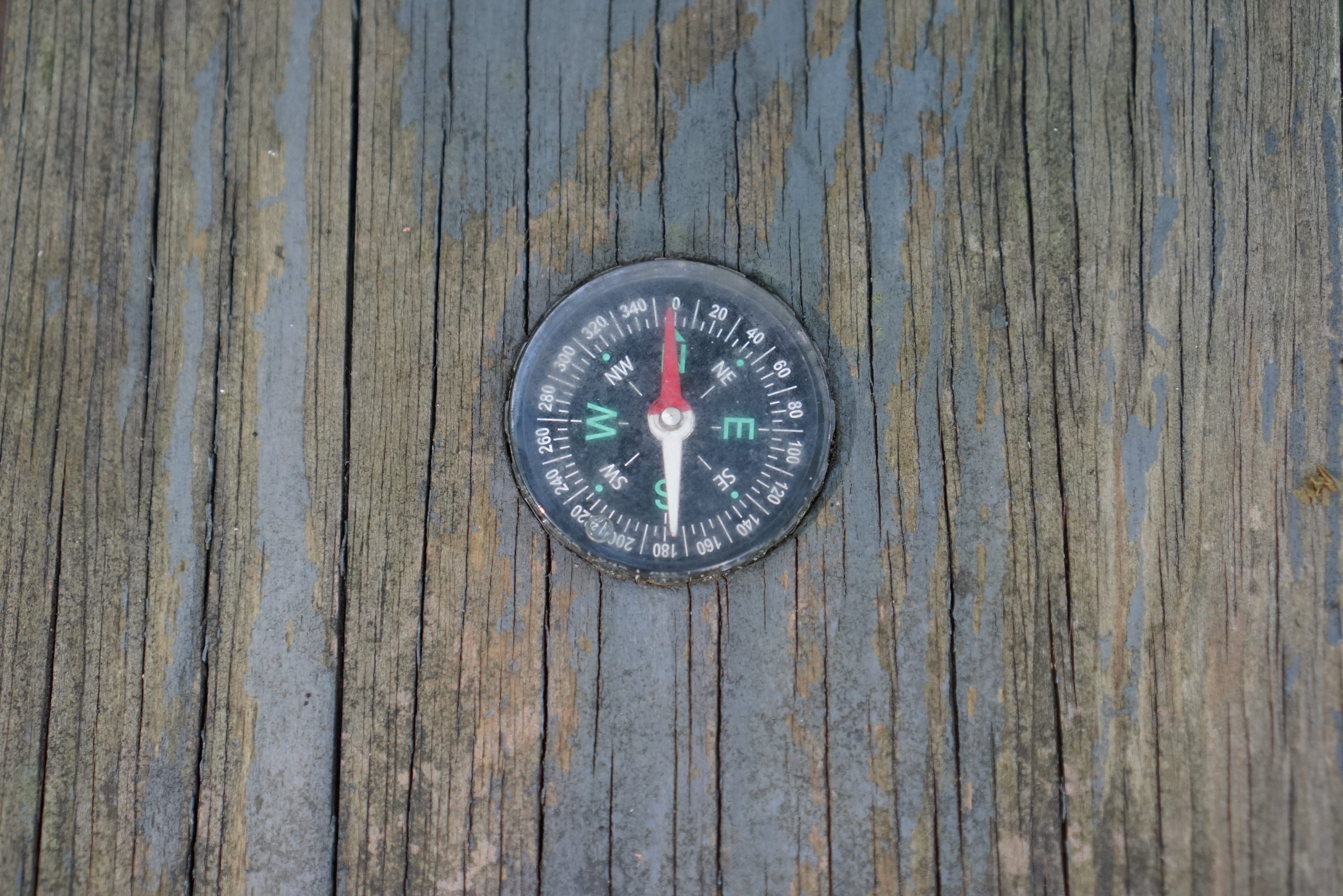
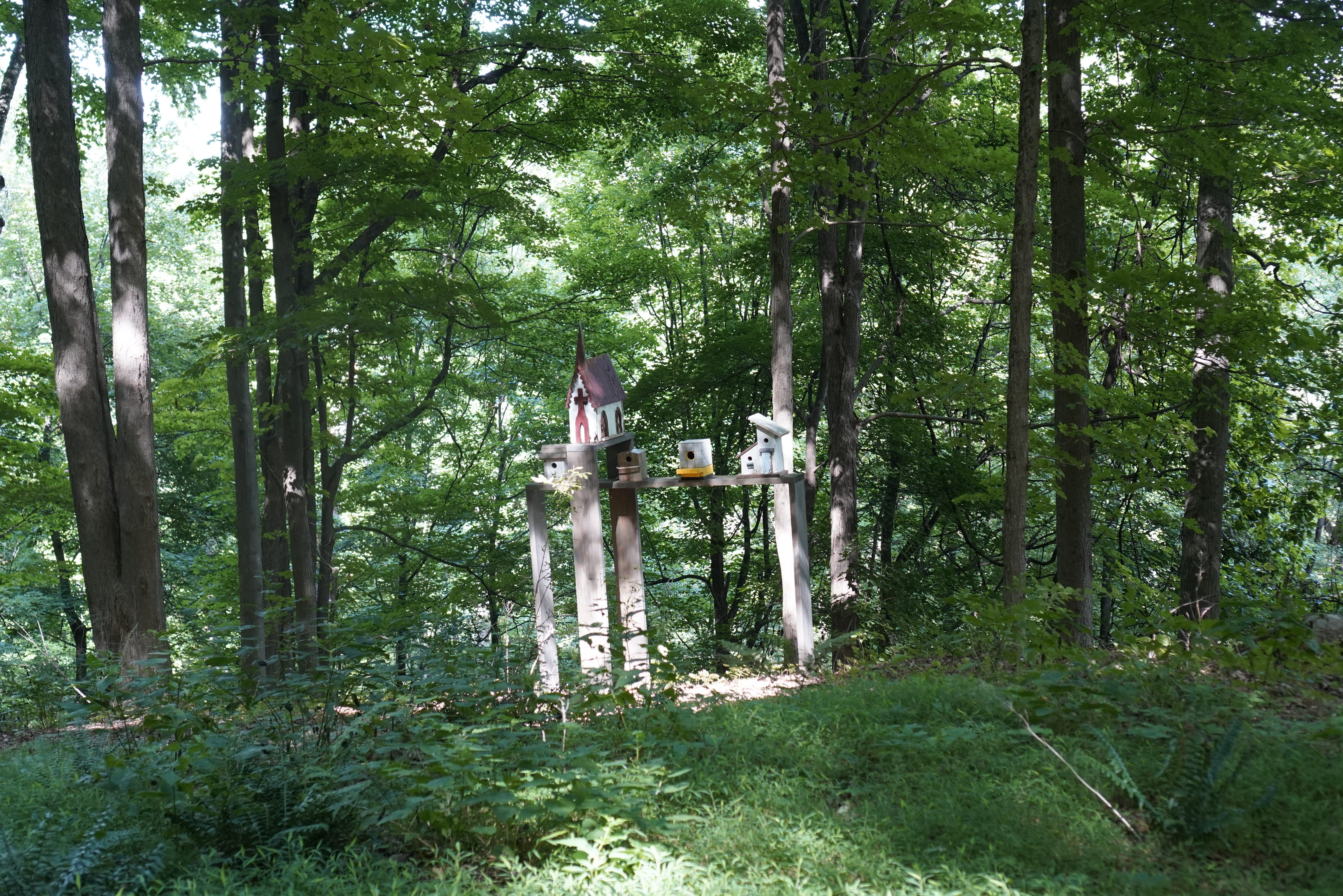
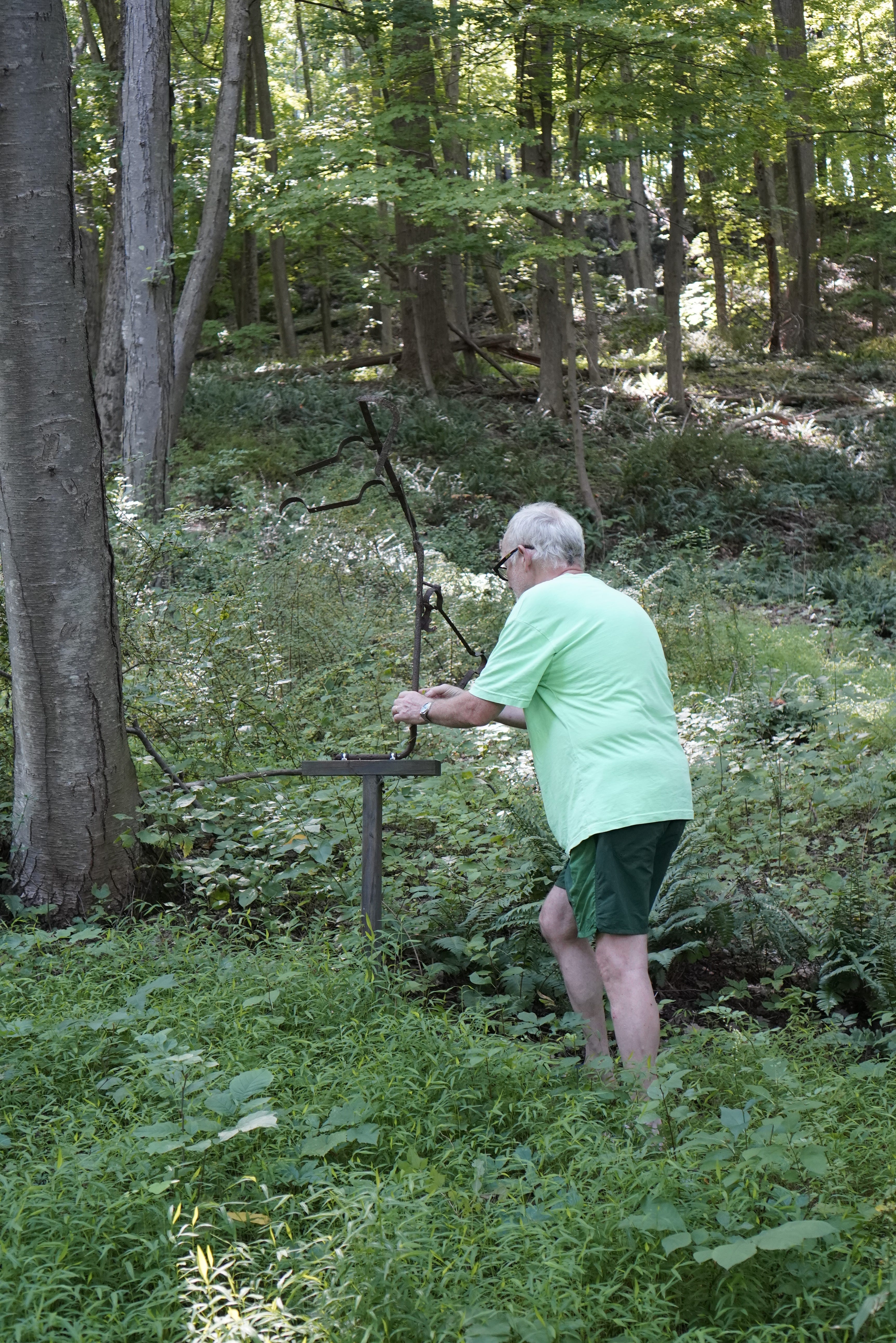
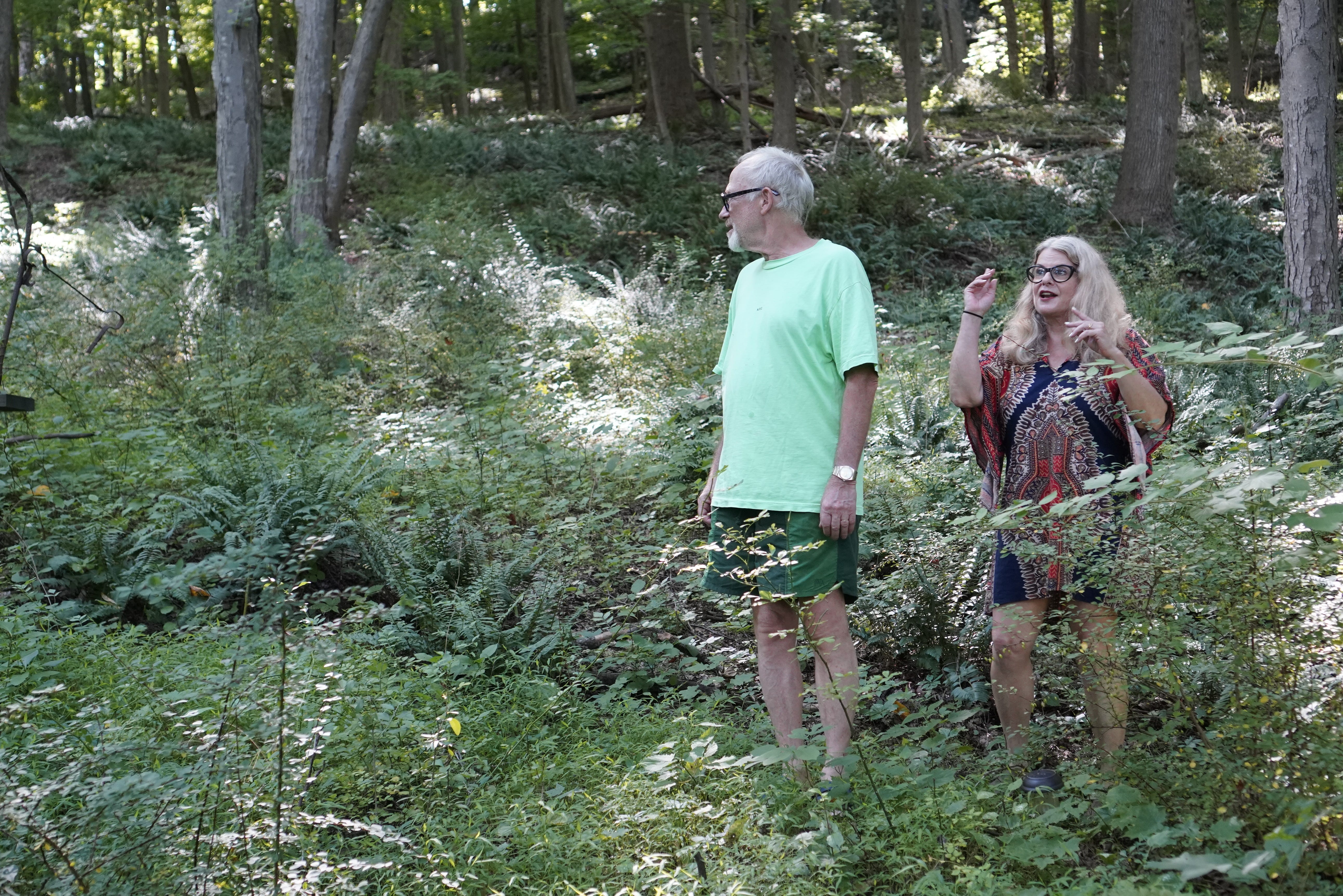
Instead, we—that’s me, Constantin, and his wife and partner in design, Laurene—head into the woods beyond, following a narrow path through young maples to what he calls Boym Park: a small landscape of ideas assembled during the isolation of the pandemic. There’s a tiny “thinking cabin” furnished with a Donald Judd–like daybed built from scrap lumber; a low bench oriented precisely north (confirmed by the compass permanently embedded in the seat); and a museum-like display of found birdhouses. Nearby, a twisted piece of rusted steel, unearthed when the Boyms had an old garbage dump removed from the property, stands upright as a sculpture. Constantin refers to it as the genius loci: the spirit of the place.
“This is all Constantin’s thing,” Laurene quips as her husband continues the tour. “I’ll just keep my mouth shut until we get to my part.”
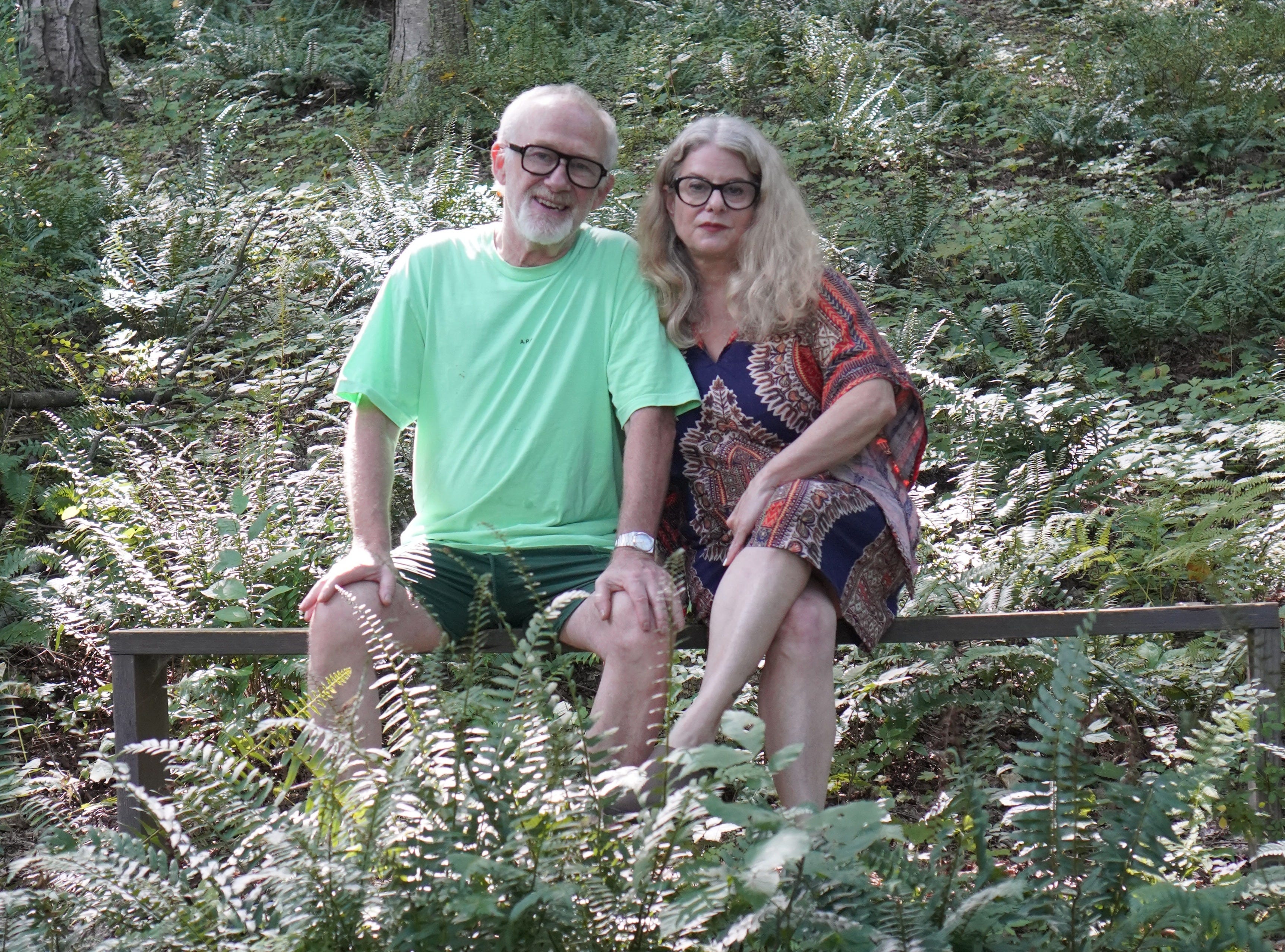
I do manage to get them to pose together for a quick photo on “North Bench” before we eventually get to Laurene’s part, a long outbuilding, which I call a “shed”—an error Laurene quickly corrects.
“It’s my studio,” she says. “The wording matters. Everyone likes to romanticize the kooky old lady, hiding away in the woods. But we live this way by choice; it’s the only way we’re able to create.”
I first met Constantin and Laurene in 2008, when I was a young designer working at Areaware. The two of them were already fixtures of New York’s design world. Back then, I mostly knew them through work that included tiny objects: Buildings of Disaster, cast collectibles commemorating architectural tragedies throughout history. The following year, they received the Cooper Hewitt National Design Award for Product Design.
Today, they split their time between New York City, where Constantin has long taught industrial design at Pratt Institute, and a quiet ridge above the Hudson River. Perched on a steep slope at the latter, their compact but charming country home displays the accumulated evidence of two lifetimes in design.
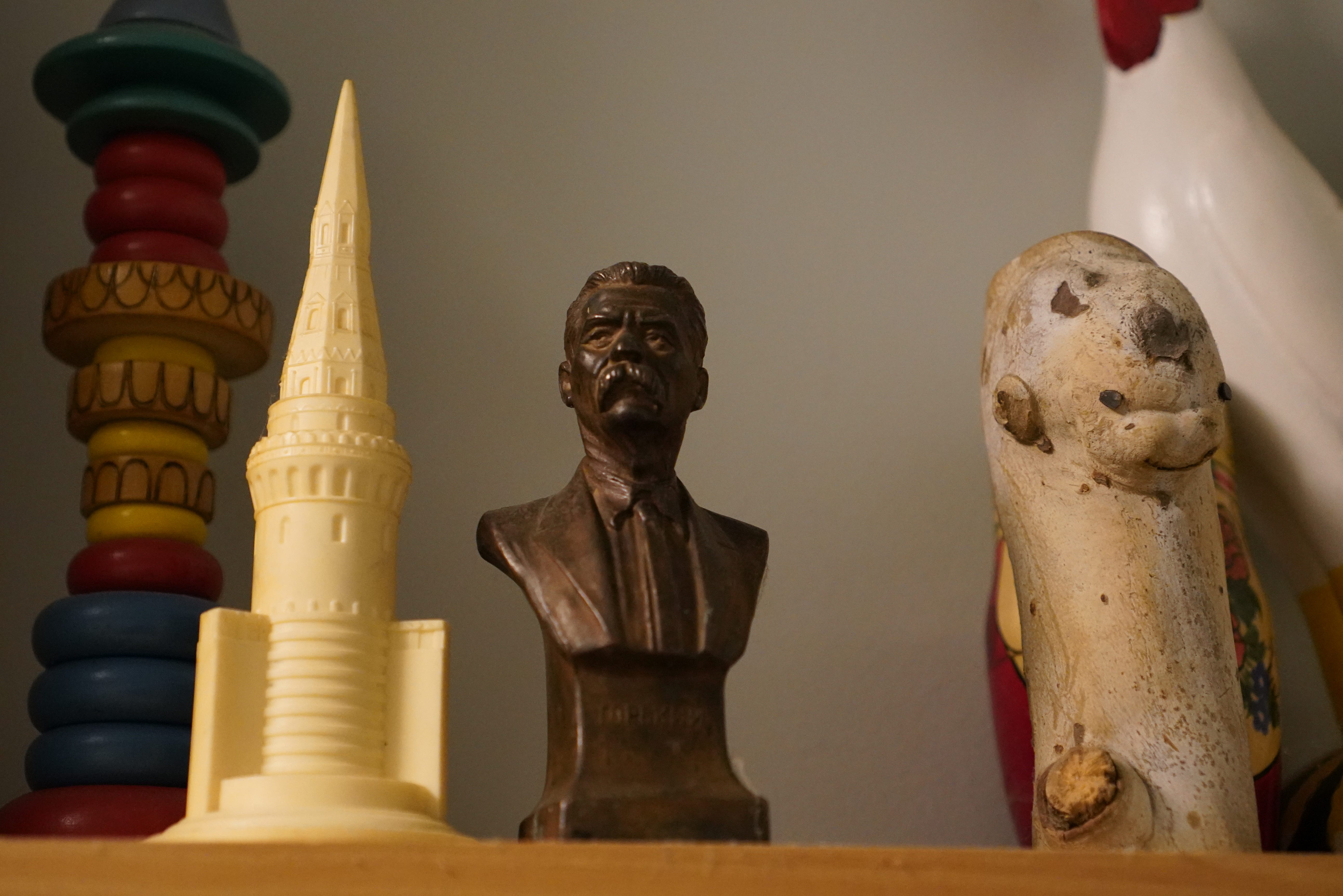
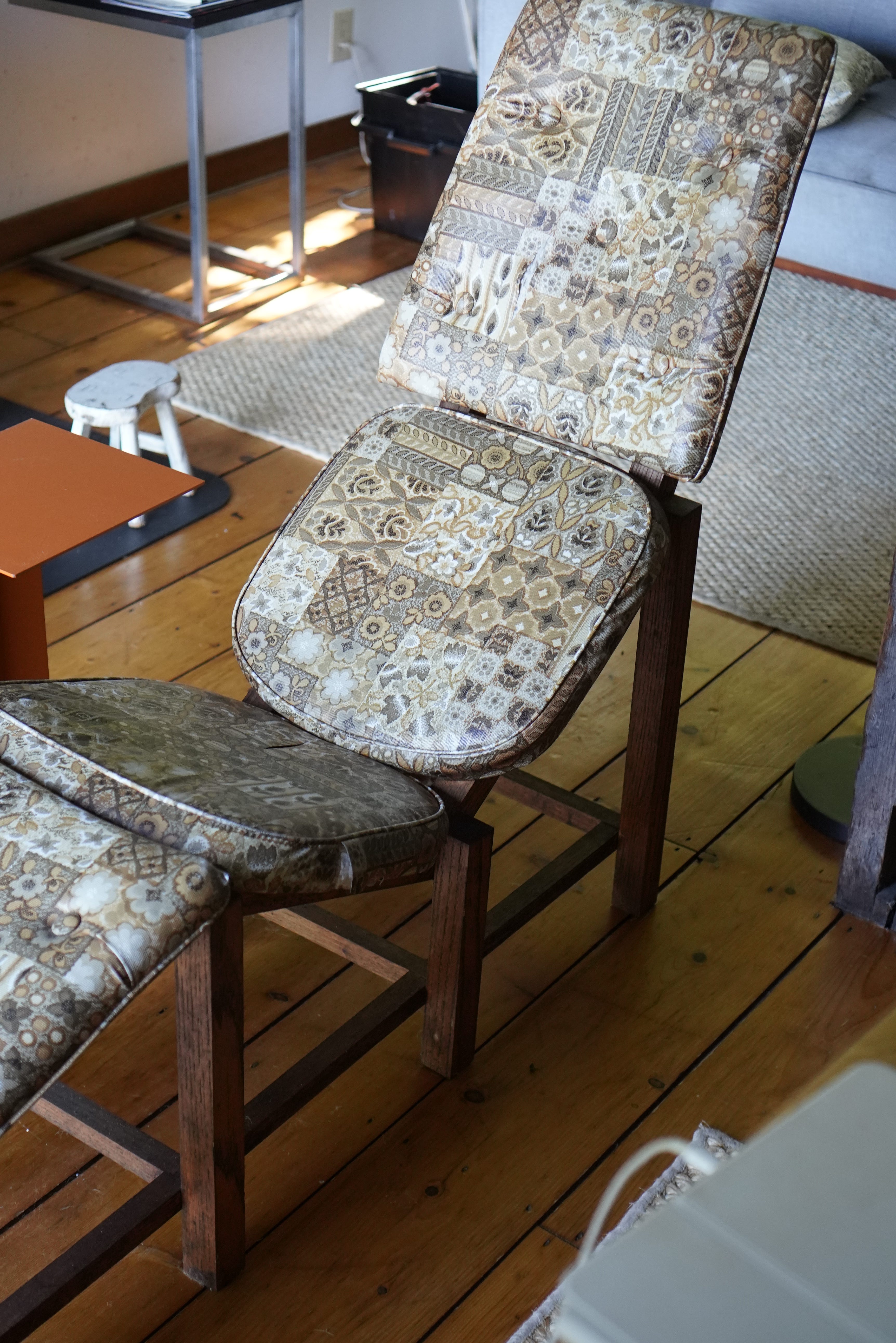
Nothing feels overly curated or precious. The objects seem to have accumulated there through friendship, work, and time. A George Sowden lamp sits beside one of Constantin’s early Searstyle pieces, furniture reconfigured from items procured through the Sears catalog in the early ’90s. Up a ladder in the loft-like bedroom is a Nathalie du Pasquier painting they recently rediscovered in a sheaf of drawings after forgetting they owned it. There are prototypes, books, gifts from old friends, and pieces acquired through decades of exchanges with fellow designers.
“Almost everything here has a souvenir quality,” Constantin tells me. “More than design, it has memory.”
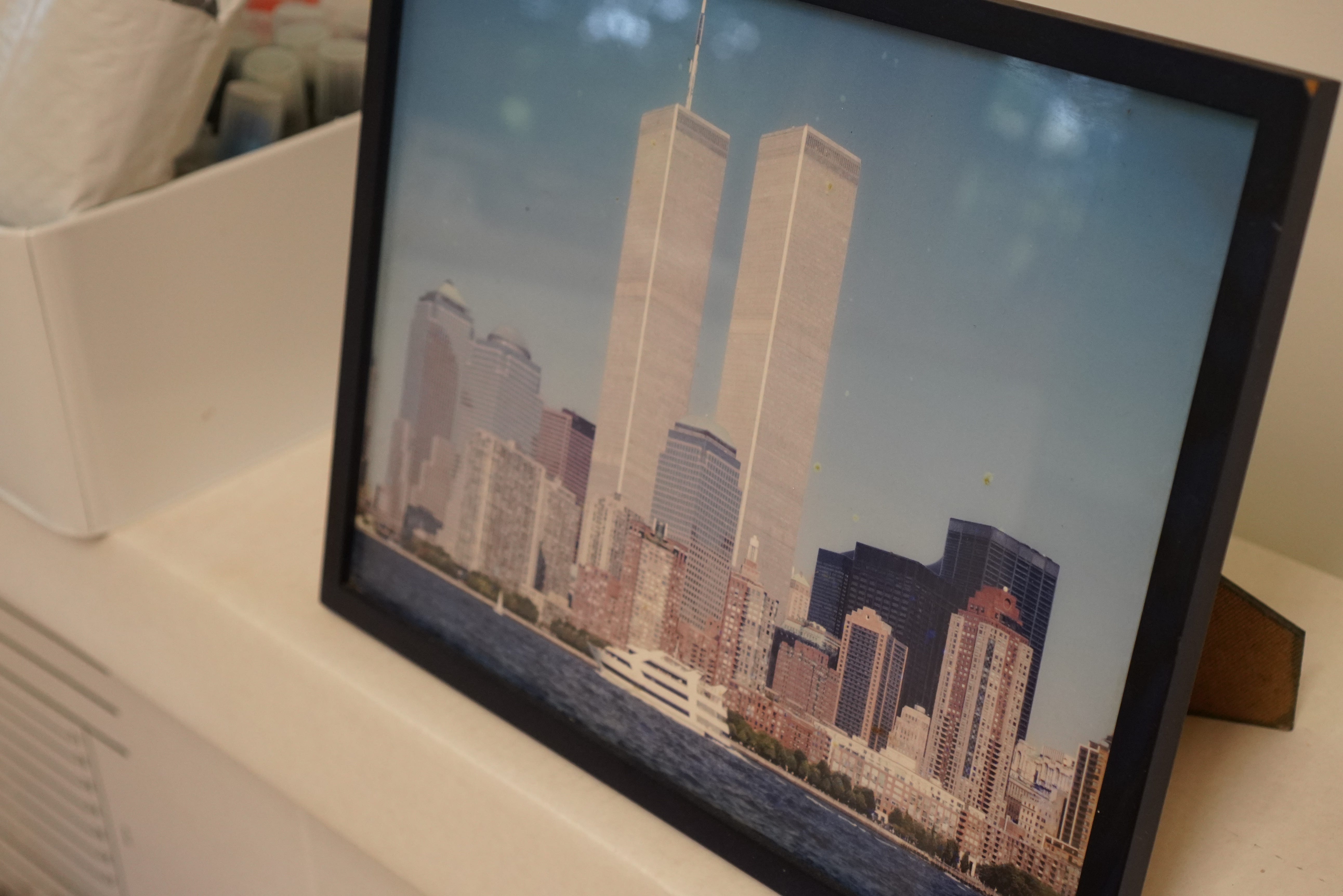
Outside, freight trains loaded with shipping containers rumble past. Though it’s the only thing to disturb the otherwise peaceful afternoon, the mournful whistles interrupt our conversation throughout.
“It’s all Amazon junk,” Laurene says as another one disappears down the tracks.
As we settle around a weathered table overlooking the valley, the dozens of objects and stories I’ve just absorbed begin to cohere into something larger, and I find myself wondering what thread the Boyms see running back through their four decades working together. The theme of this issue is Holdouts, and I ask what the phrase means to them.
Constantin answers first. “Being a designer is a difficult career. It’s a lot of work, a lot of effort, and relatively little money. So people find dignified ways to get out of it. They become manufacturers. They go into academia. They go digital.” He pauses. “So what is a holdout? Someone who turns 70 and doesn’t retire to Florida. They still keep making collections of objects. Still having little exhibitions. God knows why.”
Laurene laughs. “I have a different definition,” she says.
For her, holding out is more about resilience. “The passion keeps driving you. You still feel like you have something to say. I don’t know what else I’d do if I wasn’t a designer. I’m always holding out for something. I always think we’re going to turn a corner.” She smiles. “It’s a carrot and a stick. We keep chasing the carrot… and getting a stick up our ass.”
The Boyms have never chased a recognizable aesthetic. “Our design was never about style,” Constantin says. “It was about attitude.” For decades they’ve been fascinated by things other designers largely ignored: souvenirs, keepsakes, ready-mades, overlooked materials, found objects, and everyday artifacts.
He picks up a rough piece of tree bark from a new series they’re developing. “People just step over these things,” he says. “Nature gives them to you for free. They don’t see them.” The goal with this new work isn’t simply to transform the bark into an object—it’s to make someone start to notice the bark differently. “If somebody sees bark in the woods later and remembers the object, that’s the connection.”
The idea of giving ordinary things extraordinary permanence has followed the Boyms throughout their careers. Whether they’re designing souvenirs, collecting found objects, or rescuing pieces of bark from the forest floor, the fascination is ultimately the same: how ordinary things accumulate meaning over time. Constantin distinguishes carefully between souvenirs and keepsakes, but both communicate the idea that the value of an object isn’t fixed by its maker or its material, but by the life that is lived around it. When it comes to keepsakes, he says, “anything can become one. Obsolescence doesn’t apply.”
He references a Sottsass telephone they’ve had for years. “It doesn’t even work anymore, even if we had a landline. But we still keep it.” Laurene nods. “You can buy a pancake turner on Amazon that functions perfectly,” she says. “But it doesn’t have the magic or sparkle of something somebody really cared about.”
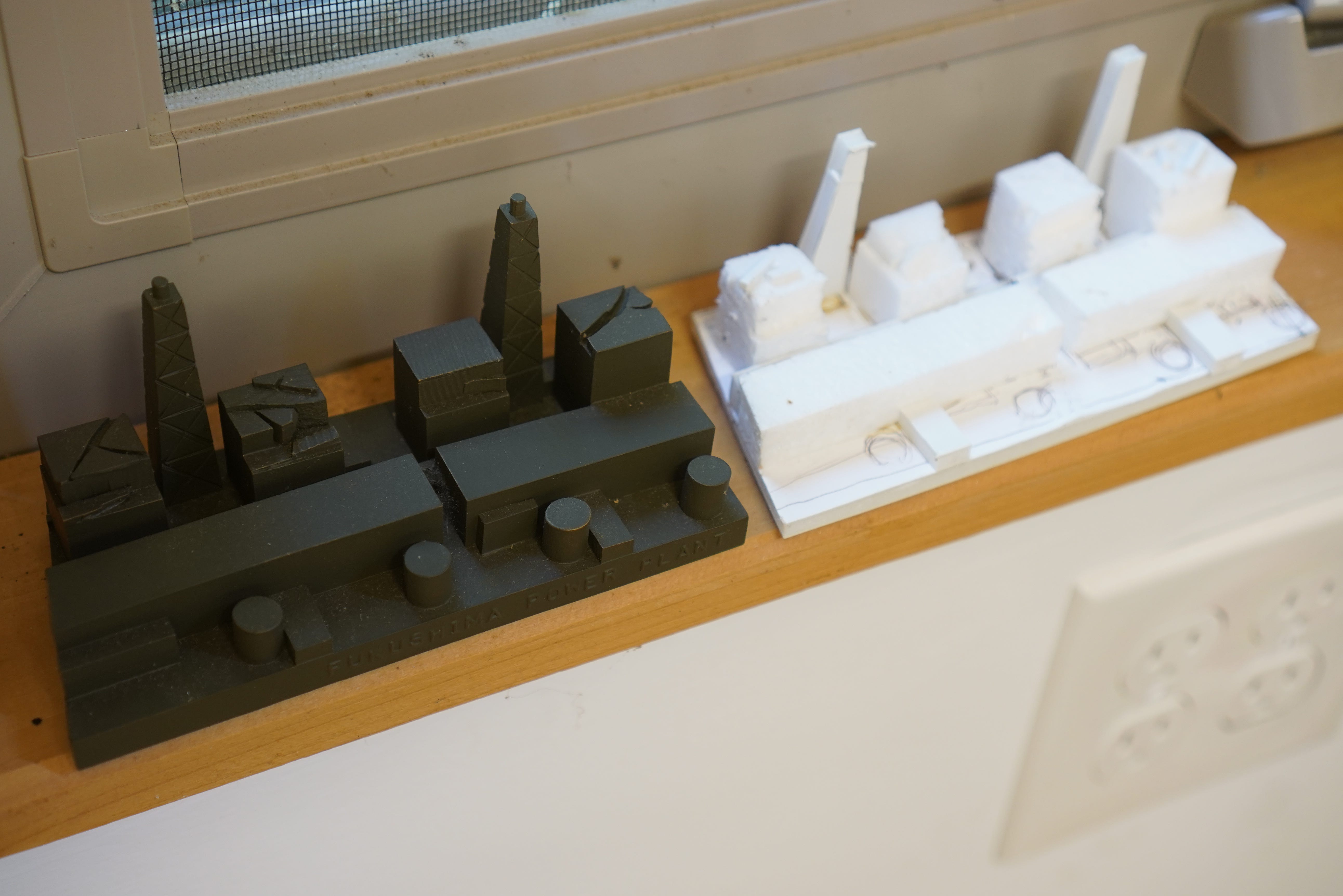
I ask whether the AI and digital landscape of today interests them. Technology, they insist, is simply another tool. Laurene happily uses Midjourney to sketch ideas quickly for clients. Constantin experimented with 3D printing the maquettes for their Buildings of Disaster models before abandoning it. “Something was lost,” he says. Collectors noticed it too. “They looked less alive.” He went back to making them by hand.
Neither of them romanticizes their profession, even when reflecting on their most successful moments. “There is a lot of heartbreak in design,” Laurene says. Manufacturers disappear, projects die, and years of work can evaporate because an engineer decides something can’t be produced or a company quietly stops returning calls. “You put your heart into something.” She shrugs. “And then they stop calling you.”
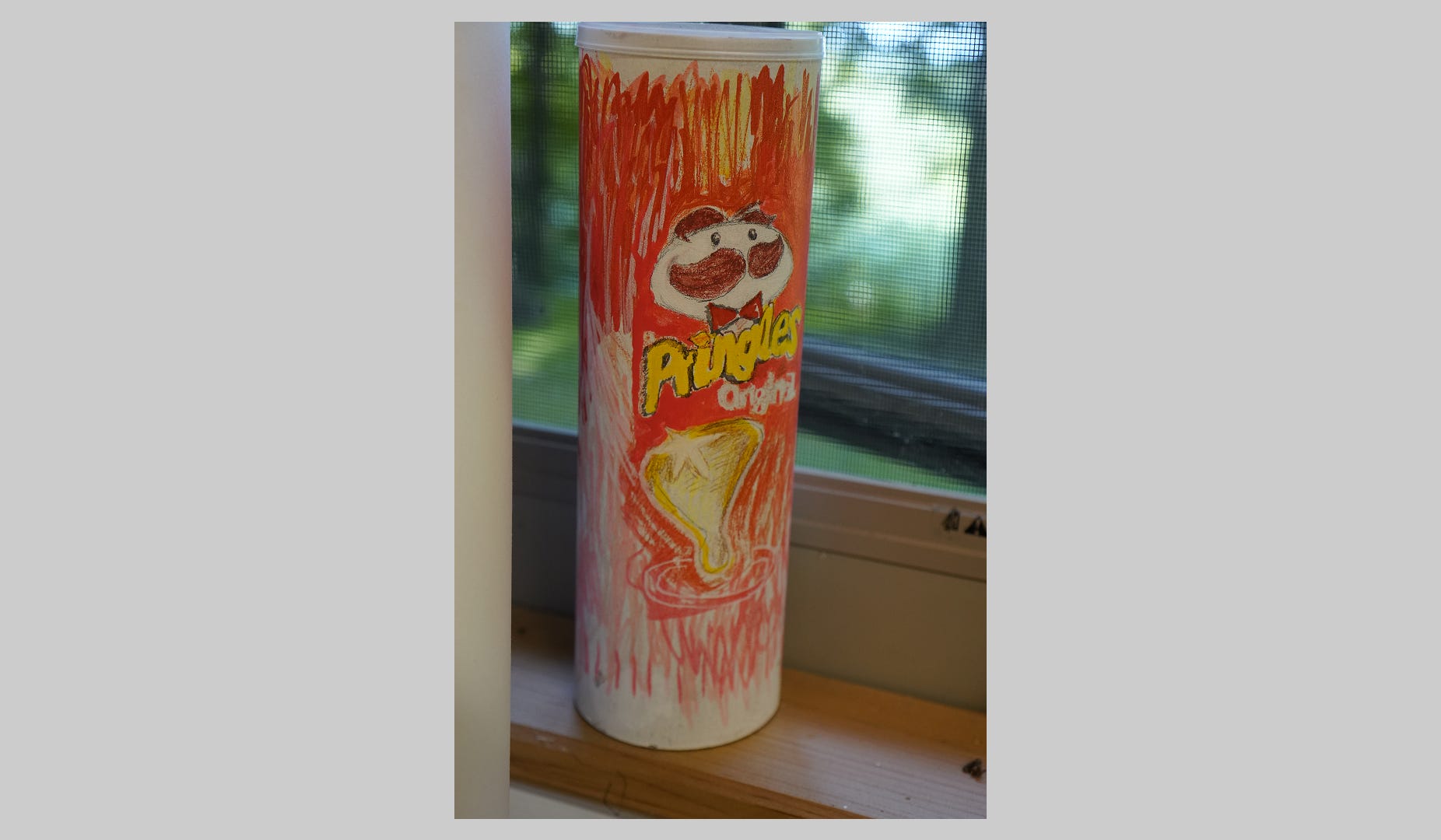
For Laurene, career interruptions have been personal as much as professional. She spent years caring for family members. Lyme disease—contracted on their property—stole nearly six years from her. During the pandemic lockdown, her form of art therapy became driving to the Dollar General at the bottom of the hill, buying ordinary packaged food, then returning home to paint the labels.
I ask if painting represents an escape from design for her. “I started out as a painter,” she explains. “Then I designed OXO tools. It’s all been one interwoven journey.”
A new body of work they’ve spent the summer developing is also one of their closest collaborations, so I ask how their partnership has evolved over the years. Laurene refers to her role on the project as the “sourcer of wood,” but accidentally calls herself “the sorcerer of the wood,” which makes us all laugh. She is largely responsible for painting and visual direction while Constantin handles the mechanics.
“We work as one organism,” she says. The collaboration, she believes, has only gotten better. “We flip roles all the time.”
Before I leave, I ask one final question: If you had to abandon this place tonight forever, what single keepsake would you take?
Constantin remembers a friend who underwent brain surgery carrying a childhood teddy bear into the operating room. When he woke up, the nurses had wrapped the bear’s head in bandages to match his own.
Is the bear here? I ask. “No, but it was a beautiful story.”
Laurene thinks for a long time. Finally, she gives up: “Choosing one object is like choosing between children.”
She pauses, looks across the room, then points to a hanging set of Jasper Morrison’s barbecue utensils for HAY, which Constantin had earlier flagged as a personal favorite. “I definitely wouldn’t take those,” she says.
Ultimately neither can answer. The question might be impossible to answer. After spending a lifetime finding meaning in objects, how do you pick just one? The Boyms have made a practice of finding value in the things the rest of us might overlook. After 40 years, that discernment might be the most remarkable thing they’ve held onto. ⌂
Alex T. Williams is a designer and advisor working at the intersection of creative practice, business, and community building. A cofounder of the lighting brand RBW, he now works with creative entrepreneurs through dialogue, advisory engagements, and curated experiences focused on building sustainable, meaningful practices.
FROM THE ARCHIVE
PAST ISSUES
ISSUE 01: FINE, I’LL DO IT MYSELF ⌂ ISSUE 02: NO THOUGHTS, JUST VIBES ⌂ ISSUE 03: DON’T SIT ON THAT! ⌂ ISSUE 04: HOLIDAY SPECIAL ⌂ ISSUE 05: SWEATIN’ THE OLDIES ⌂ ISSUE 06: KITCHEN SINK ⌂ ISSUE 07: HACK JOB ⌂ ISSUE 08: OUT TO PASTURE ⌂ THE SHOE REPORT: MILAN DESIGN WEEK ⌂ A NYCxDESIGN CHORUS ⌂ ISSUE 09: GETTING WARMER

omg the way the hair on my arms stood up when I read, "I don’t know what else I’d do if I wasn’t a designer. I’m always holding out for something. I always think we’re going to turn a corner."
So many memories with Laurene in Grad School. I hope I live to be a hold out, too. Nothing is like making something. :) "So what is a holdout? Someone who turns 70 and doesn’t retire to Florida. They still keep making collections of objects. Still having little exhibitions. God knows why.”